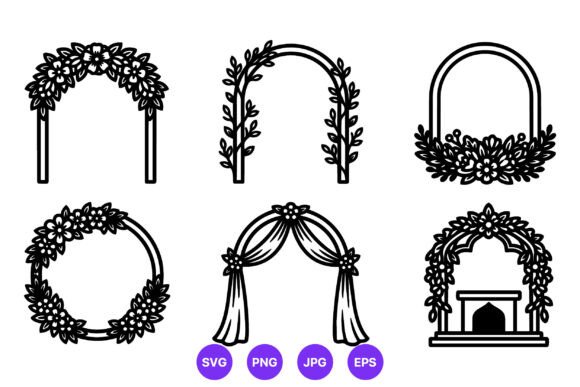
Wedding Floral Decoration Element. Bloom: Design Guide
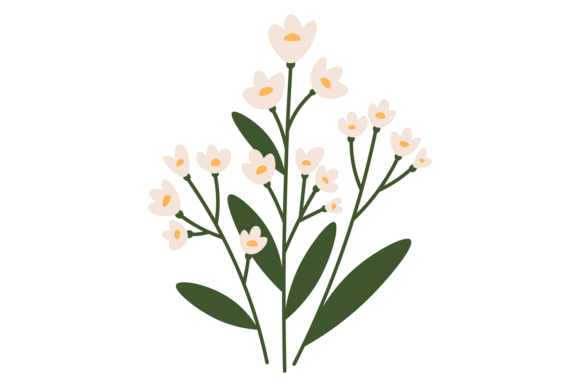
When it comes to establishing a brand identity that feels both timeless and deeply emotional, the details matter most. You are likely searching for Wedding Floral Decoration Element. Bloom not just for a pretty picture, but for a tool that conveys elegance, growth, and sophistication. In the crowded market of design assets, finding a piece that balances organic beauty with professional precision is rare. This specific element, often available as a blooming branch drawing isolated on a white background, serves as a cornerstone for projects ranging from high-end editorial design to intimate personal crafting. It is not merely a clipart image; it is a statement of style.
The Visual Character of the Bloom Element
Understanding the anatomy of this asset is the first step in using it effectively. The "Bloom" aspect of this element typically features intricate line work that mimics the natural irregularity of botanical illustrations. Whether you are utilizing the EPS file for infinite scalability, the SVG for crisp web rendering, the JPG for standard prints, or the transparent PNG for layering, the visual personality remains consistent. It speaks a language of modern typography and organic illustration combined.
The appeal lies in its isolation. By sitting on a white background, the blooming branch becomes a versatile asset. It does not dictate the entire color scheme of your project but rather invites you to adapt it. For designers, this is a crucial trait. It acts much like a serif font in a font family—traditional, structural, yet adaptable to modern contexts. The lines are often delicate, suggesting fragility, yet the structure of the branch implies resilience. This duality makes Wedding Floral Decoration Element. Bloom a powerful addition to any creative font or illustration library.
Strategic Applications: From Packaging to Web Design
Where does this element fit into your workflow? The versatility of a high-quality floral asset like this allows it to cross boundaries between different media. It is not limited to wedding invitations, despite the name.
Branding and Logo Design
In logo design, a blooming branch can serve as an icon or a secondary mark. For businesses in the wellness, beauty, or lifestyle sectors, this element softens the visual identity. When paired with a bold sans serif font, the contrast creates a dynamic hierarchy. It signals to the audience that the brand values nature and aesthetics without being overly rustic.
Digital and Web Presence
In web design, the transparent PNG version is invaluable. You can use it as a background texture, a divider between sections, or a hero image accent. It adds depth to flat designs. When placed behind text, ensure there is enough contrast so that readability is not compromised. This is where understanding visual hierarchy comes into play. The floral element should support the message, not compete with it.
Publishing and Editorial Layouts
For editorial design, particularly in magazines or lookbooks, the blooming branch adds a touch of luxury. It works beautifully in margins or as a drop cap background. This usage mimics the elegance of a script font or handwritten font, adding a human touch to the layout. It transforms a standard page of text into an experience.
Packaging and Product Design
In packaging design, the element can be printed directly onto boxes, labels, or tissue paper. The vector formats (EPS and SVG) are essential here, as they allow you to scale the design to fit a small lipstick tube or a large gift box without losing quality. This consistency is key to brand identity.
Integrating the Element with Typography
Florals and type are partners in design. The success of using Wedding Floral Decoration Element. Bloom often depends on how well it pairs with your chosen typeface.
- Pairing with Serif Fonts: If your project requires a classic, academic, or traditional feel, combine the bloom element with a serif font. The serifs echo the organic endings of the branch, creating a cohesive look suitable for formal event stationery.
- Pairing with Sans Serif Fonts: For a clean, modern typography approach, use a sans serif font. The geometric simplicity of the text allows the floral details to shine. This is ideal for social media graphics where clarity is paramount.
- Using with Script or Handwritten Fonts: Be careful here. Both the floral element and a script font are decorative. If used together, one must be subdued. Usually, the text takes precedence, and the floral acts as a subtle accent.
Practical Workflow and Technical Considerations
As a designer or content creator, your time is valuable. You need assets that work seamlessly. Here is how to approach the technical side of this design asset.
Evaluating File Formats
Always check the included files. A comprehensive premium font or graphic pack usually includes multiple formats for a reason. The transparent PNG is your quick-fix solution for drag-and-drop tasks in social media tools like Canva. The EPS and SVG files are your workhorses for Adobe Illustrator or Affinity Designer, allowing you to change colors and manipulate individual leaves or petals to match your specific brand identity palette.
Readability and Contrast
One of the biggest mistakes in using floral elements is sacrificing readability. If you place white text over a light wash of the bloom element, the message gets lost. Always test your designs in grayscale to check the contrast values. The goal is to maintain a professional standard where the commercial font (your text) remains the hero, and the floral element provides the atmosphere.
Licensing and Usage
Before using Wedding Floral Decoration Element. Bloom in a client project or a product for sale, verify the license. Most assets found on professional marketplaces come with a standard license that covers web and print use. However, if you plan to use it in a commercial font package or a template for resale, you may need an extended license. This is a standard practice in the industry to protect intellectual property.
Real-World Scenarios for Entrepreneurs and Creators
Let’s look at how this specific asset solves problems for different user groups.
For the Blogger or Publisher: You are writing a post about spring trends. Using the blooming branch as a header image background adds immediate context. It tells the reader "this is about nature" before they even read the title.
For the Small Business Owner: You are launching a new line of organic soaps. The floral element can be printed on your labels. Because it is an isolated drawing, it feels curated and high-end, elevating the perceived value of your product.
For the Graphic Designer: You are creating a wedding suite. The client wants something "classic but not stuffy." Using the Wedding Floral Decoration Element. Bloom alongside a modern serif typeface achieves exactly that balance. It feels fresh.
Final Thoughts on Visual Strategy
Design is about communication. Every line, curve, and color choice sends a message. Wedding Floral Decoration Element. Bloom sends a message of organic beauty, attention to detail, and sophistication. It is a versatile tool that, when used with intention, can elevate a project from amateur to professional.
Remember that the best design assets are those that serve the content. Whether you are crafting a logo, designing a website, or laying out a magazine, let the floral element support your narrative. Use the vector capabilities to customize it. Use the transparency to integrate it. And always prioritize the viewer's experience. By doing so, you ensure that your work not only looks beautiful but also communicates effectively.