Monogram Invitation Wedding Illustration: A Designer's Guide
Unpacking the Aesthetic: More Than Just Letters
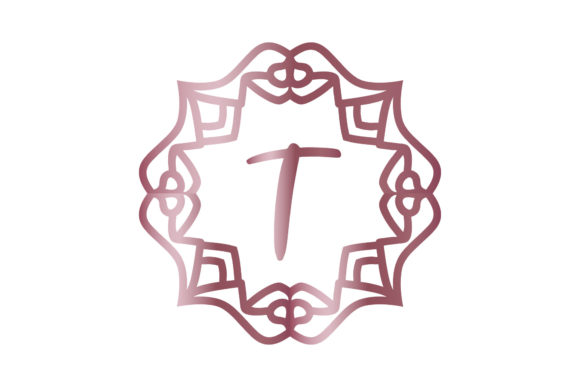
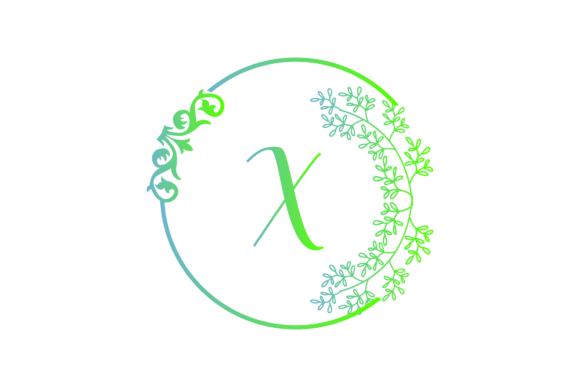
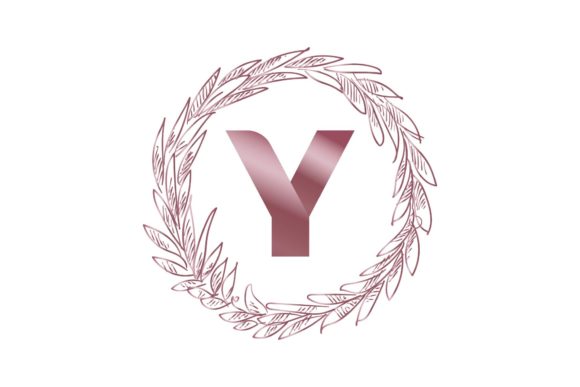
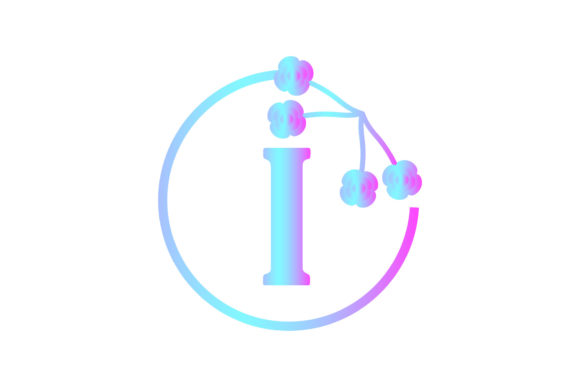
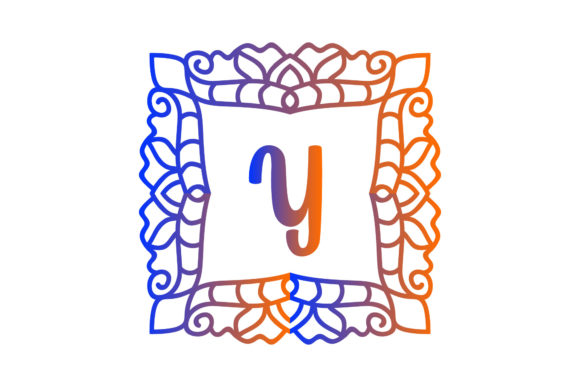
When you first encounter the Monogram Invitation Wedding Illustration design, it's easy to see why it captures attention. This isn't a standard typeface you install on your computer; it's a comprehensive design asset, a complete visual system built around the elegant concept of intertwined initials. The core appeal lies in its seamless blend of classic monogram structure with contemporary illustration styles. You'll find intricate linework, delicate floral embellishments, and sophisticated frames that give each piece a distinct personality—whether it's romantic and soft, modern and minimalist, or ornately vintage.
The true strength of this design package is its versatility and the quality of its vector foundation. Provided in AI, EPS, SVG, JPG, and PNG formats at a generous 1920 x 1280 px canvas size, it’s built for real-world application. The vector files (AI, EPS, SVG) are your best friends for any project requiring scaling, color changes, or element manipulation. This means the Monogram Invitation Wedding Illustration can be seamlessly adapted for a tiny social media icon or a large-format wedding banner without losing a pixel of clarity. It’s a premium font and illustration set designed for creators who need assets that are both beautiful and functional.
Strategic Applications: Where This Design Truly Shines
Understanding where a design asset like this excels is key to using it effectively. Its primary domain is, of course, wedding stationery—save-the-dates, invitations, programs, and thank-you cards. But thinking of it solely for weddings limits its potential. This monogram illustration style is a powerhouse for brand identity work, especially for businesses in the luxury, boutique, or lifestyle sectors. Think of a high-end bakery, a custom jeweler, a boutique event planner, or a personal stylist. A customized monogram becomes the cornerstone of their logo design, applied to packaging, business cards, and digital headers to build immediate recognition and a sense of curated elegance.
Beyond branding, its applications in publishing and marketing are vast. For editorial design, these illustrations can serve as stunning chapter openers, pull quotes, or section dividers in magazines and lookbooks. In the digital space, they create impactful hero graphics for websites, elevate email newsletter templates, and stop the scroll as sophisticated social media graphics. The included JPG and PNG files are perfect for quick placements in tools like Canva, while the vector formats offer endless customization in Adobe Illustrator for web design mockups, packaging design, or creating unique merchandise.
Practical Guidance for Seamless Integration
Adopting a new design asset requires a bit of strategy to ensure it enhances rather than complicates your workflow. First, consider the personality of the monogram illustration you're using. Does its style—be it art deco, botanical, or modern script—align with the project's tone? A delicate, hand-drawn style might be perfect for a romantic wedding but could feel out of place on a tech startup's website. Always evaluate project fit by asking if the asset's inherent style supports the message you need to communicate.
Next, think about font pairing. Since this is an illustration asset, it often works best when paired with complementary typography for body text. A clean sans serif font can provide excellent readability and a modern contrast to an ornate monogram. Alternatively, a simple serif font can maintain a classic, cohesive feel. The key is hierarchy: let the Monogram Invitation Wedding Illustration be the visual focal point, and use your chosen typeface to deliver information clearly and consistently. Test these pairings at the sizes they'll be used, paying close attention to readability at smaller scales.
Finally, leverage the file formats wisely. For any project where you need to change colors, adjust line weights, or isolate specific elements (like a floral accent), start with the AI or EPS vector files. This gives you full editability. Use the SVG for clean web implementation where you might want to animate parts of the design with CSS. Reserve the high-resolution JPG and PNG files for direct use in documents, presentations, or social media posts where full editability isn't required. This approach ensures you're using the right tool for the job, maintaining professionalism and efficiency across all your creative endeavors.